Describe a Blood Platelet and Explain Its Functions
Describe the steps of the inflammatory process and the chemical mediators involved. Functions of Blood Transportation.
What Is The Function Of The Blood Platelets Quora
Describe the structure of platelets and explain the process of.
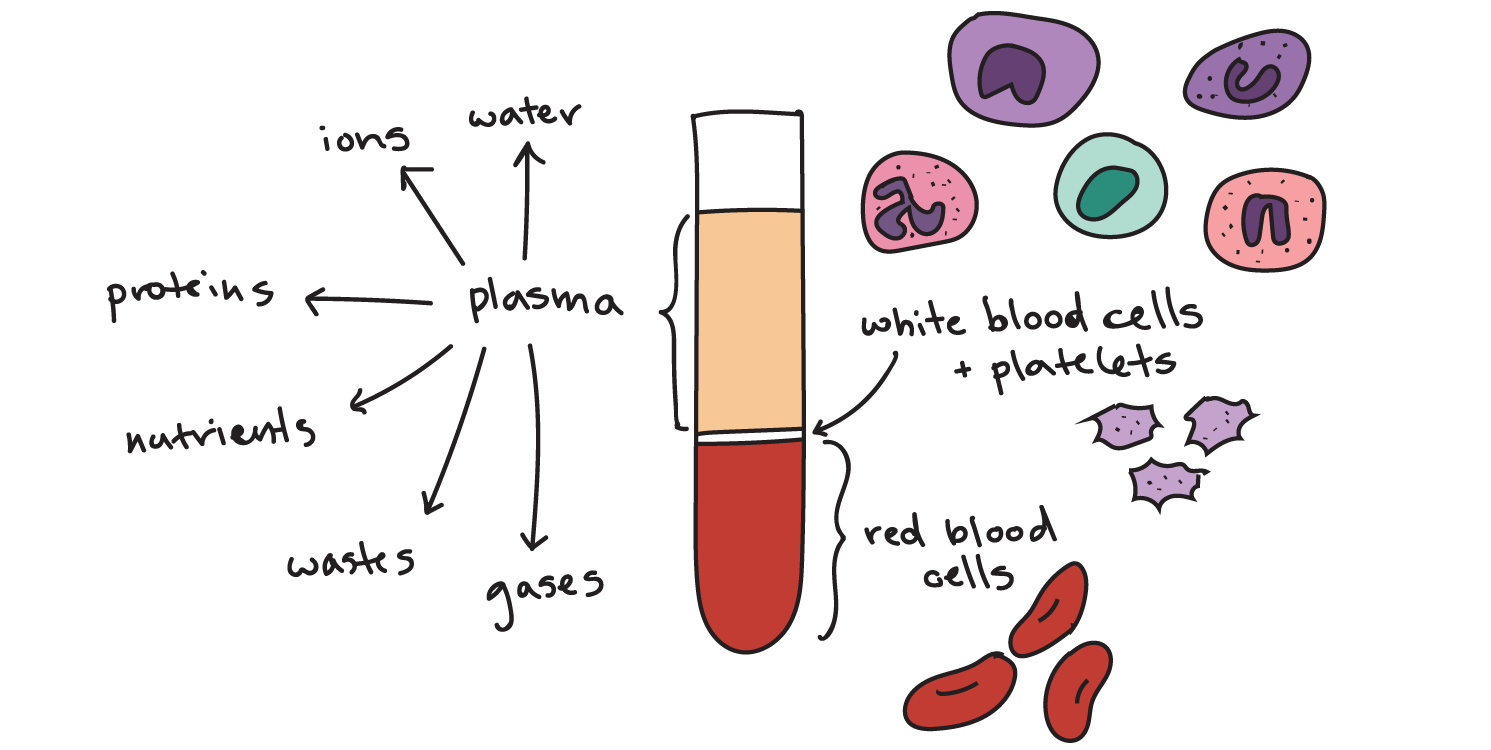
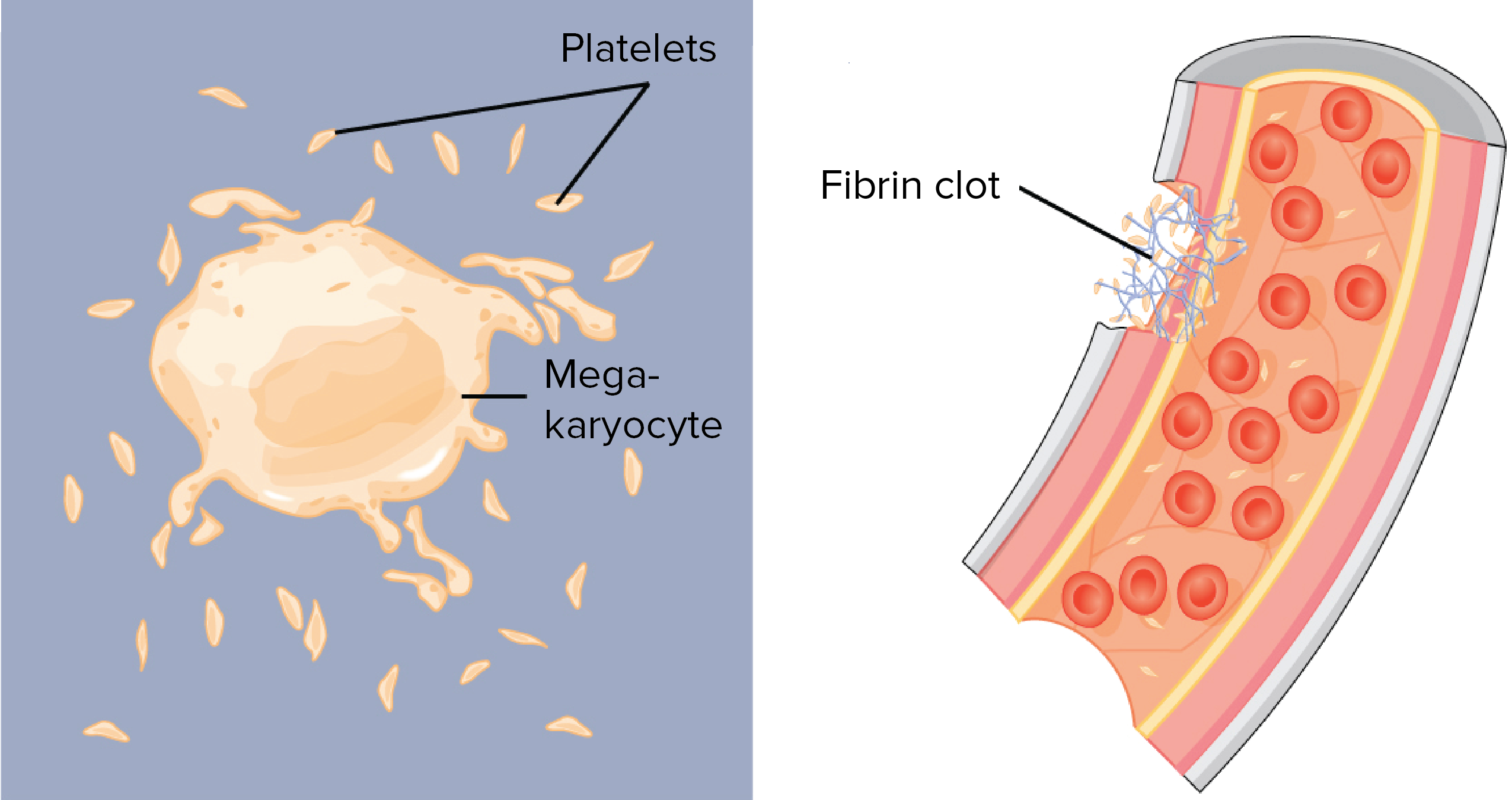
. Blood platelets are discoid cellular fragments without nucleus originating from megakaryocytes. Blood clotting is the process by which blood loses its liquid state or fluidity. The function of platelets is to repair small blood vessels and prevent dangerous amounts of blood from leaking out.
Nutrients from the foods you eat are absorbed in the digestive tract. On a daily basis the high pressure at which blood flows causes small breaks in your blood vessels inside your body which are closed by. Describe the chemical composition of hemoglobin and its function in the red blood cell.
Platelets are blood cells that are released from bone marrow megakaryocytes and circulate for approximately 10 days. Blood Composition and Functions Components 1. The adhesive surface proteins of platelets allow them to accumulate on the fibrin mesh at an injury site to form a platelet plug that clots the blood.
When there is a break in a blood vessel platelets become activated by the presence of certain molecules in the blood. Define the following terms. Other major blood components include plasma white blood cells and platelets.
Carrying cells and antibodies that fight infection. The principal function of platelets is to prevent bleeding. Describe a blood platelet and explain its functions.
The normal platelet count is 150000-350000 per microliter of blood but since platelets are so small they make up just a tiny fraction of the blood volume. Forming blood clots to prevent excess blood loss. The function of the platelets is related to hemostasis the prevention and control of bleedingWhen the endothelial surface lining of a blood vessel is injured platelets in large numbers immediately attach to the injured surface and to each other forming a tenaciously adherent mass of platelets.
Platelets then change their shape adhere to newly exposed subendothelial tissues release the. Define homeostasis and explain the mechanisms that help to achieve it. It has many functions including delivering nutrients and oxygen.
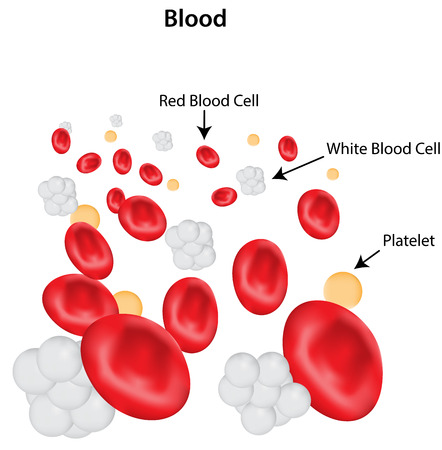
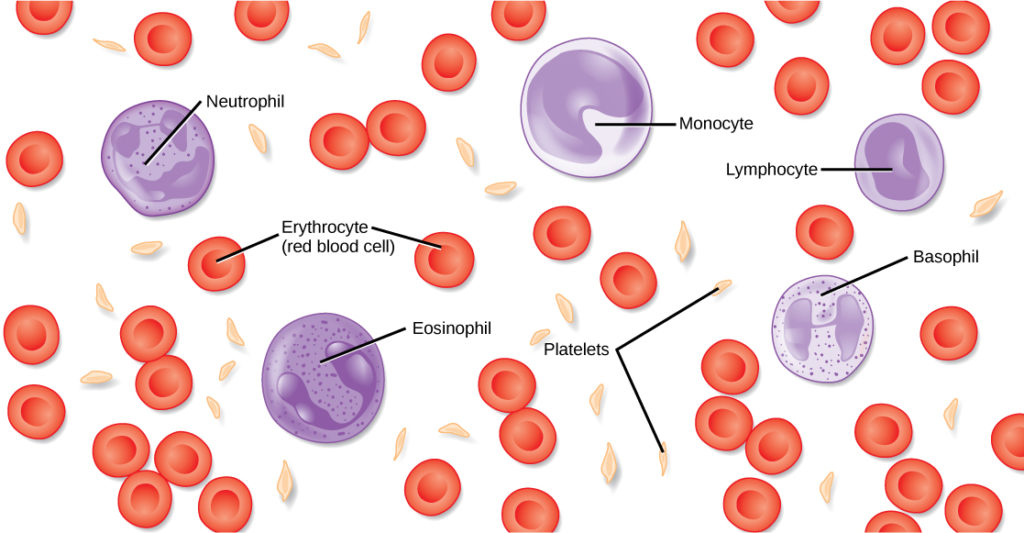
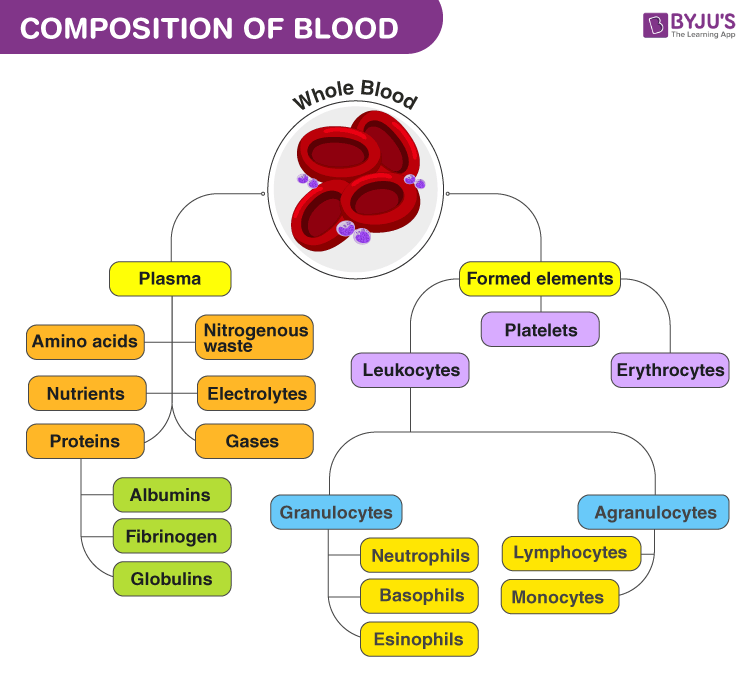
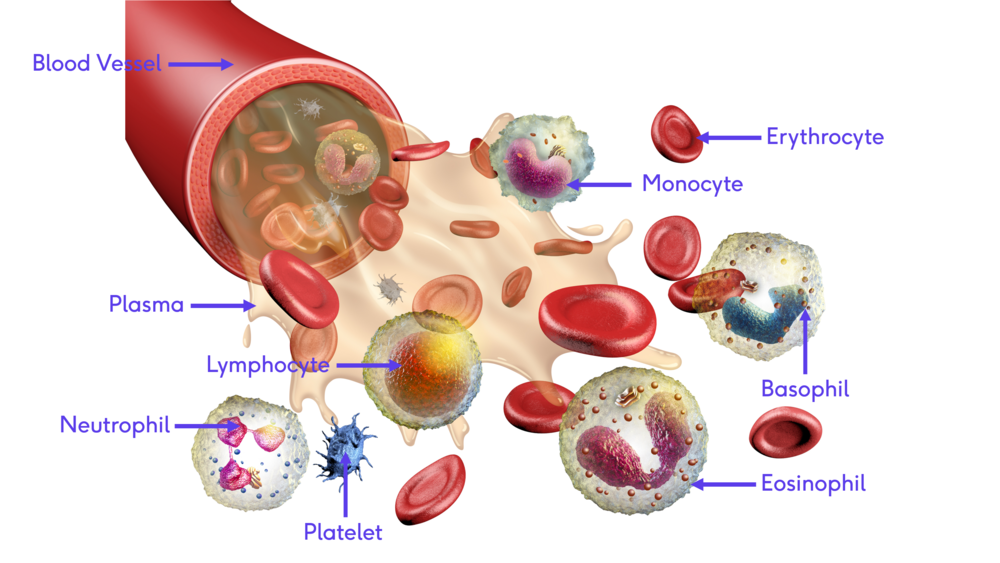
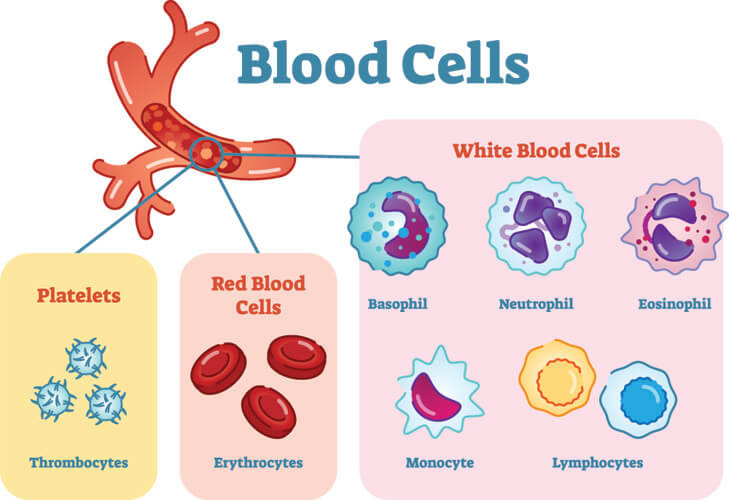
Many types of WBCs protect the body from external threats such as disease-causing bacteria that have entered. Platelets circulate in blood plasma and are primarily involved in hemostasis stopping the flow of blood during injury by causing the formation of blood clots also known as coagulation. Red blood cells also called erythrocytes are the most abundant cell type in the blood.
Platelets are able to respond to a great variety of agonists which bind to specific receptors localized on the plasma membrane. Explain how innate and ada. Formed elements plasma erythrocytes leukocytes platelets hematocrit and buffy coat.
They function to initiate the formation of blood clots. Red blood cells are the most numerous blood cell. Platelets do not perform the function of blood clotting alone because it acts along with other or various clotting factors which are 13 in numbers but 1 which is the 6th one is yet to be medically proven.
Transporting oxygen and nutrients to the lungs and tissues. Platelets are small cell fragments responsible for forming blood clots when trauma to your blood vessels occur Platelets become sticky when activated and become caught in a web of fibrin to stop. Discuss the structure and function of red blood.
Platelets have a peculiar function of initiating blood clotting. Most of these travel in the. The four main components of blood are red blood cells white blood cells.
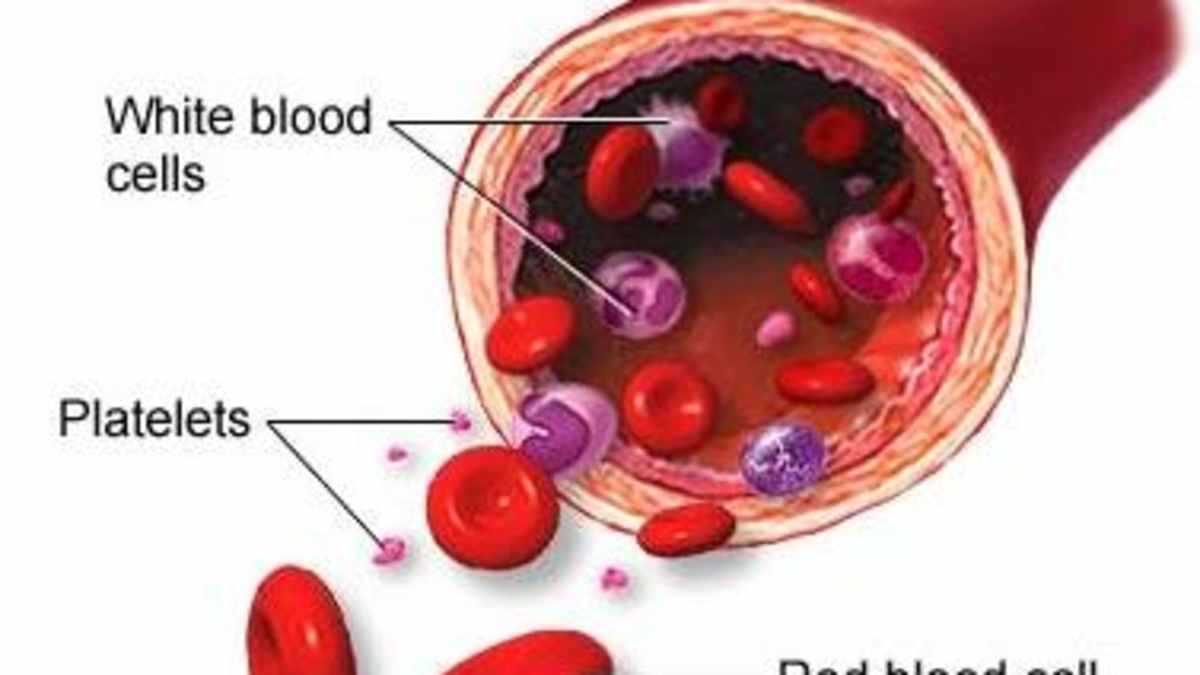
Platelet Platelets clump and form a plug in the damaged area of a torn blood vessel to stop blood loss. Answered over 90d ago. Under normal conditions platelets move through blood vessels in an unactivated state.
Identify the composition of blood plasma including its most important solutes and plasma proteins. This process takes place when blood vessels are cut. -An example of negative feedback is the control of blood glucose levels by glucagon.
It has four main components. Blood is a living fluid. Plasma red blood cells white blood cells and platelets.
It transports oxygen and other essential substances throughout the body fights sickness and performs other vital functions. The role of blood platelets is to clog broken blood vessels to prevent the loss of blood. A blood platelet thrombocyte is a fragment of a cell.
While the primary function of the platelet is thought to be hemostasis thrombosis and wound healing through a complex activation process leading to integrin activation and formation of a core and shell at the site of injury other physiological roles for the platelet exist including immunity and communication with other cells and tissue in. Blood has many different functions including. Identify the primary functions of blood its fluid and cellular components and its physical characteristics.
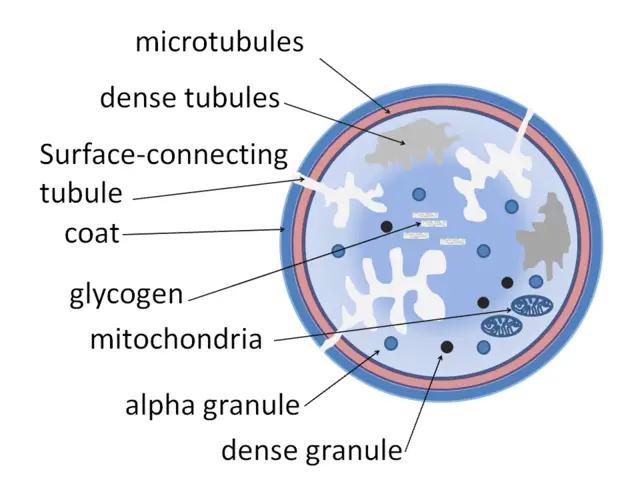
They possess granular cytoplasm with no nucleus and their diameter when seen in a Wright-stained peripheral blood film averages 25 um with a subpopulation of larger cells 45 um. Name three types of plasma proteins list the major function of each type. When a person is cut platelets rush to the area and cling to the blood vessels that have been damaged sealing.
There is a process in the blood known as hemostasis which means to stop bleeding. Unactivated platelets have a typical plate-like shape. Describe the life cycle of a red blood cell and the fate of bilirubin.
A red blood cell has what is known as a biconcave shape. The primary function of red blood cells is to transport oxygen to body cells and deliver carbon dioxide to the lungs. B IOLOGY 2060 AP II C OURSE O BJECTIVES CHAPTER 17 BLOOD Overview.
Define and explain the following terms as they. Describe ABO and Rh typing. Answered over 90d ago.
Explain the homeostatic imbalances related to blood count polycythemia vera anemia leukemia leukopenia. Describe the functions of each of the major components of plasma. Physical Characteristics and Volume 3.
The heart pumps blood through a vast network of arteries and veins. Explain why blood is considered to be a connective tissue. Answer 1 of 26.
A __________ in blood glucose leads. Blood is a specialized body fluid. The effect of the platelet response is to stop the bleeding and to.
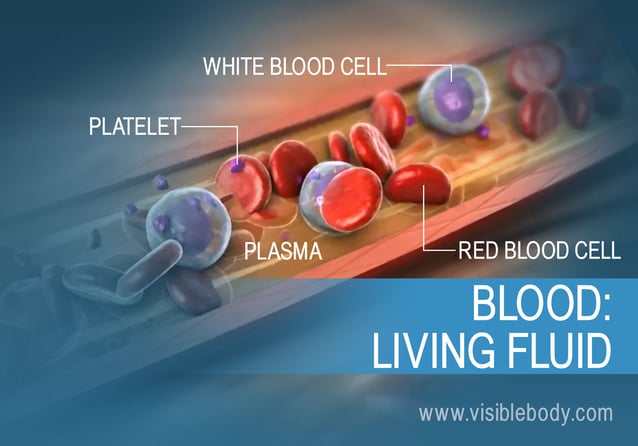
Functions Of The Blood Circulatory Anatomy
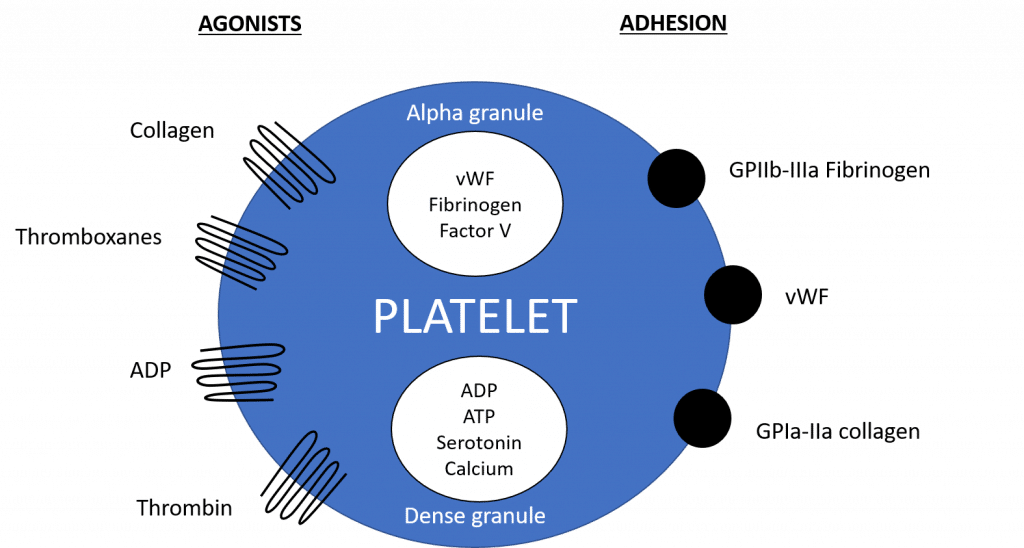
Platelets Function Aggregation Adhesion Teachmephysiology

Schematic Diagram Of Platelet The Platelet Is A 2 3 Mm Discoid Cell Download Scientific Diagram
Components Of Blood Article Khan Academy
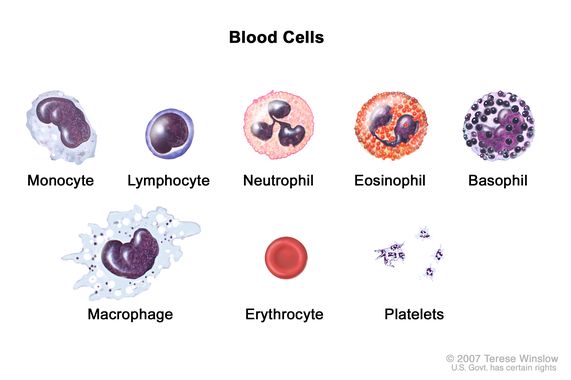
Definition Of Platelet Nci Dictionary Of Cancer Terms National Cancer Institute

What Are Platelets In Blood

The Composition And Function Of Blood Youtube
Platelets In Health And Disease The Platelet Society
Platelets Function Thrombocytopenia Aggregation Count Microscopy
Low Platelet Count My Blood Stopped Clotting Hubpages
Structure And Function Of Blood Biology For Majors Ii

Blood Components 9 6 1 Cie Igcse Biology Revision Notes 2020 Save My Exams
Blood Platelet An Overview Mechanism And Their Total Count In The Human Body
Blood Physiology Physiopedia

Anatomy Physiology And Development Of Platelets Youtube
Components Of Blood Article Khan Academy
Blood Cell The Definitive Guide Biology Dictionary
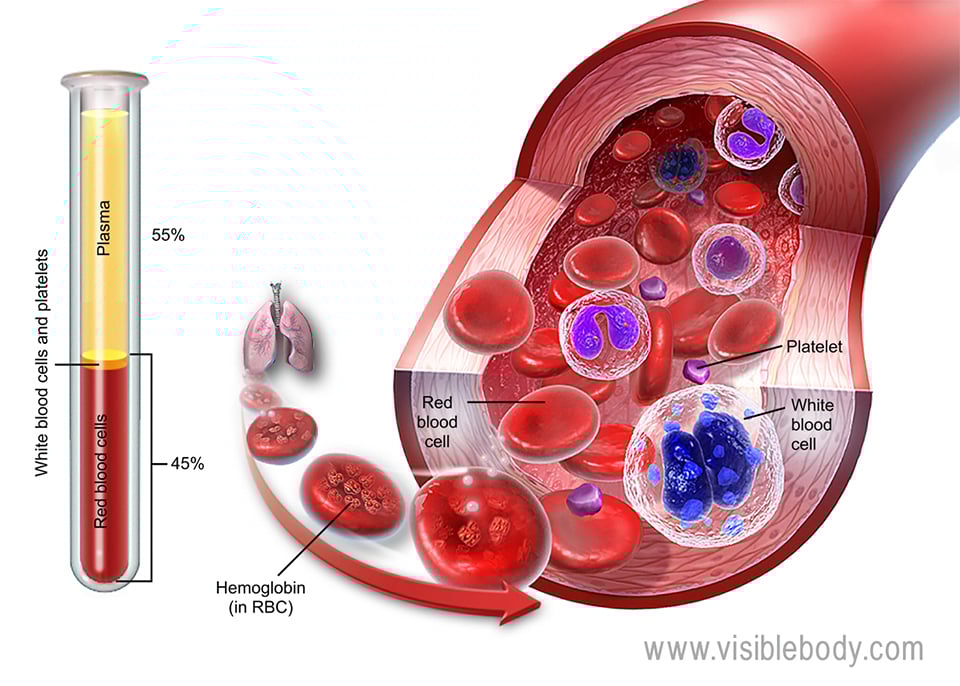
Overview Of Blood
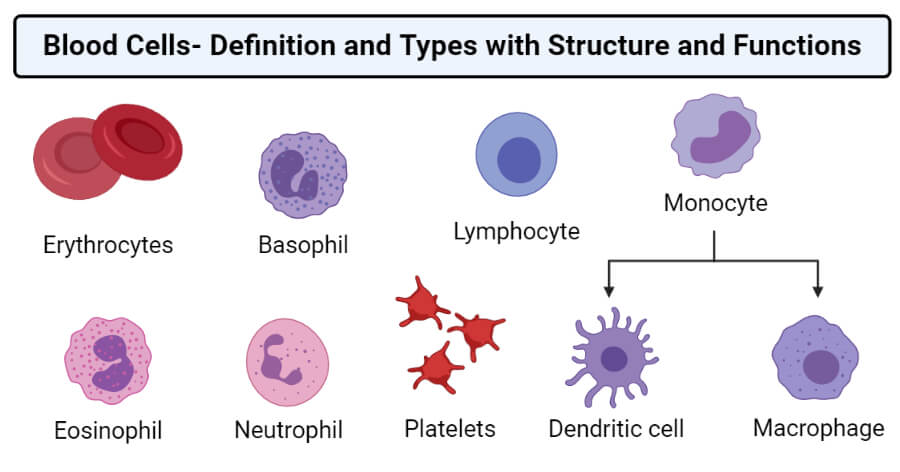
Blood Cells Definition And Types With Structure And Functions


Comments
Post a Comment